Regional Sweets · 5 min read
Gujarati Sweets 101: Flavours, Traditions, and Must-Try Mithai
Gujarat has one of the most distinctive sweet-making traditions in India. Here's what makes it different, and where to start tasting it.
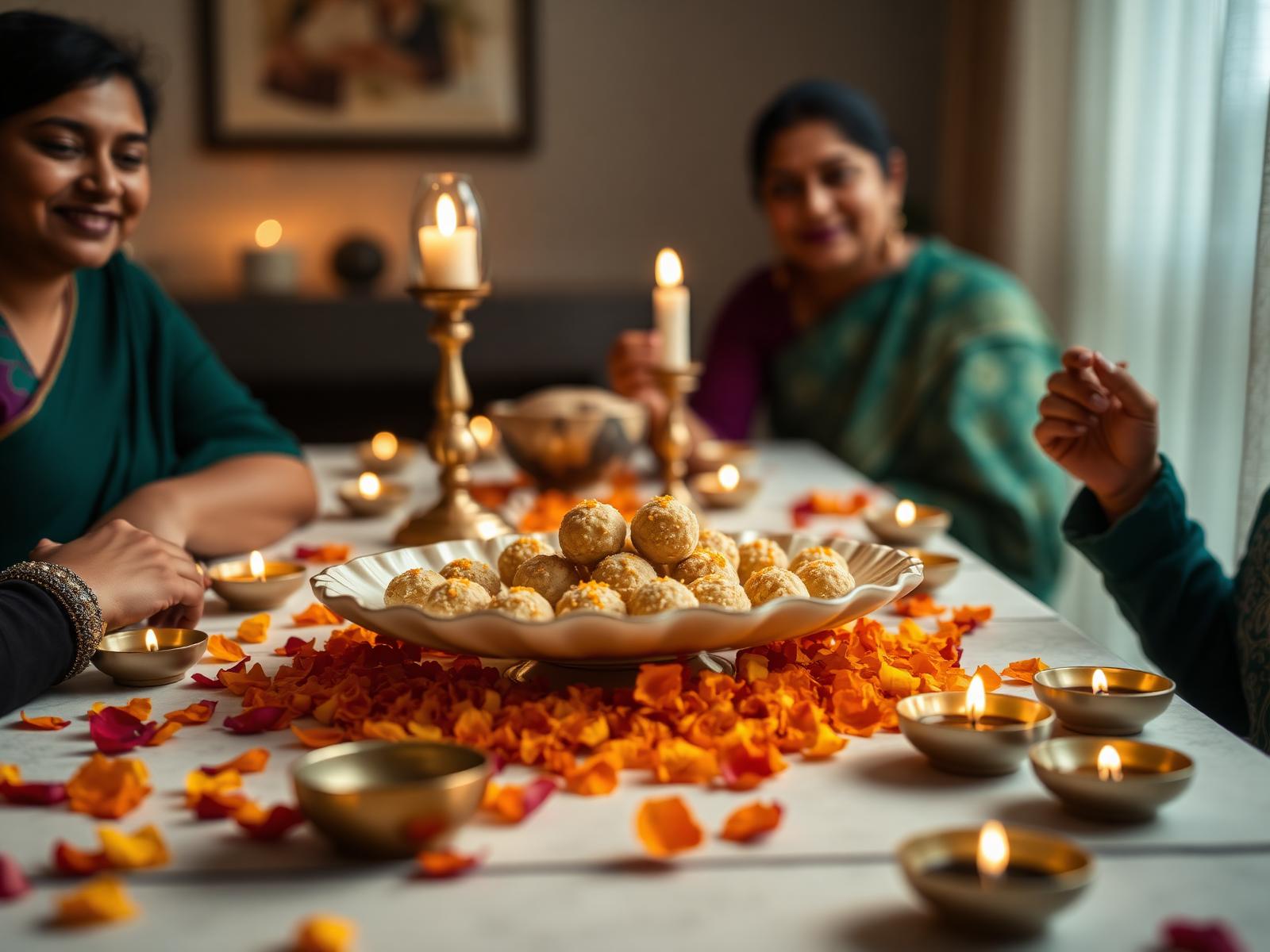
Gujarat's food culture leans distinctly sweet — even savoury dishes here often carry a hint of jaggery or sugar — so it's no surprise the region has produced some of India's most beloved mithai. Gujarati sweets tend to favour gram flour (besan), ghee, and slow-roasting techniques that build deep, nutty flavour rather than relying purely on sugar.
Mohanthal: the quintessential Gujarati sweet
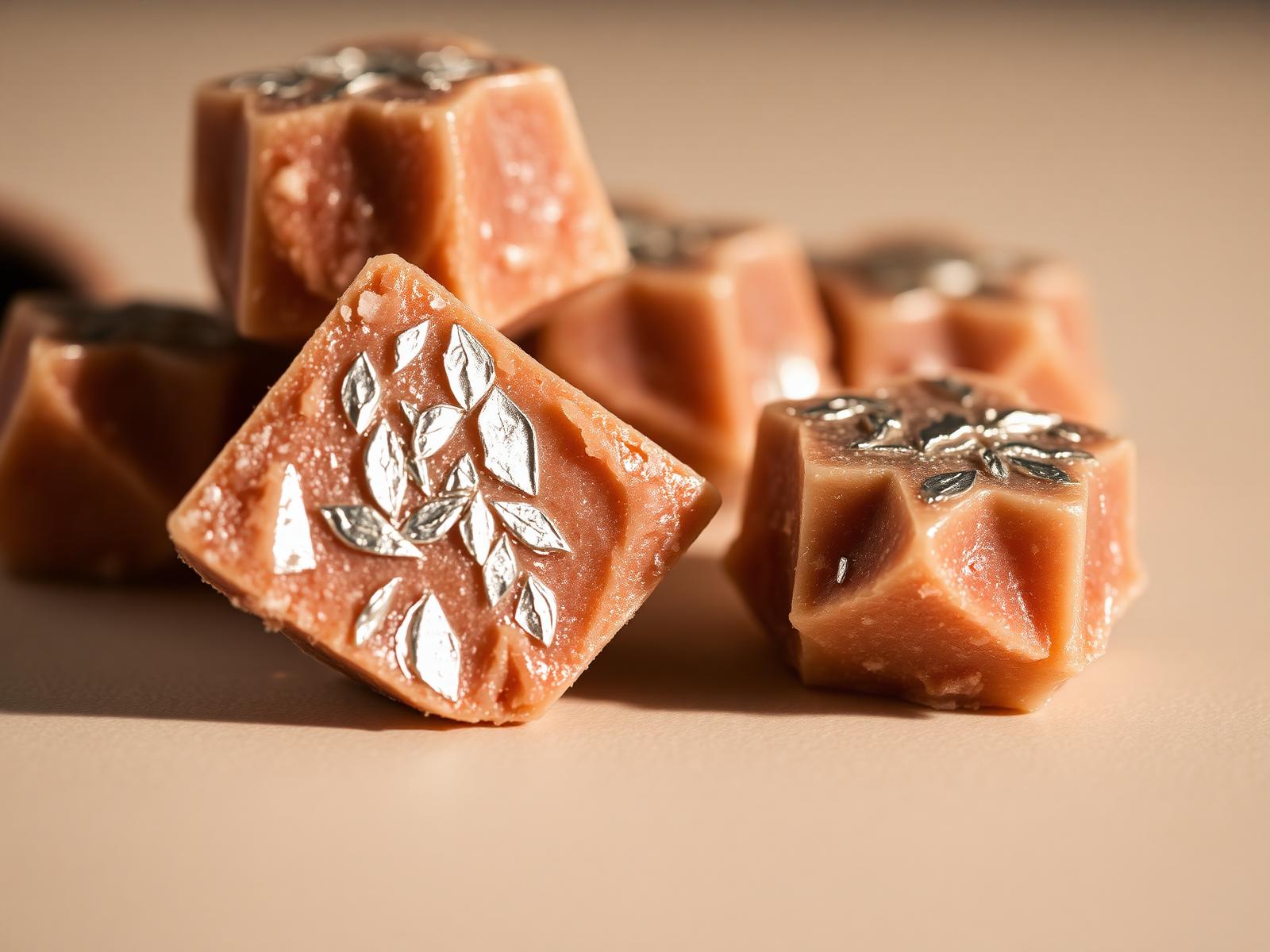
If there's one mithai that defines Gujarati sweet-making, it's mohanthal — coarse gram flour, slow-roasted in ghee until deeply golden, then set with sugar syrup and often finished with pistachio or almond. It's grainier and more textured than a smooth barfi, and that texture is the entire point: it's built to showcase the roasting, not hide it.
Other Gujarati favourites worth knowing
- Sukhdi (gol papdi) — a simple, rustic sweet of whole wheat flour, ghee, and jaggery, often the first mithai a Gujarati household teaches its children to make.
- Basundi — a slow-reduced sweetened milk, closer to a dessert sauce than a solid sweet, served on its own or with puri.
- Ghari — a Surat specialty, a rich stuffed sweet built around khoya and dry fruits, traditionally associated with Chandani Padvo.
- Doodh pak — a festive rice pudding, often served during Diwali and family celebrations.
Why Gujarati mithai travels so well for gifting
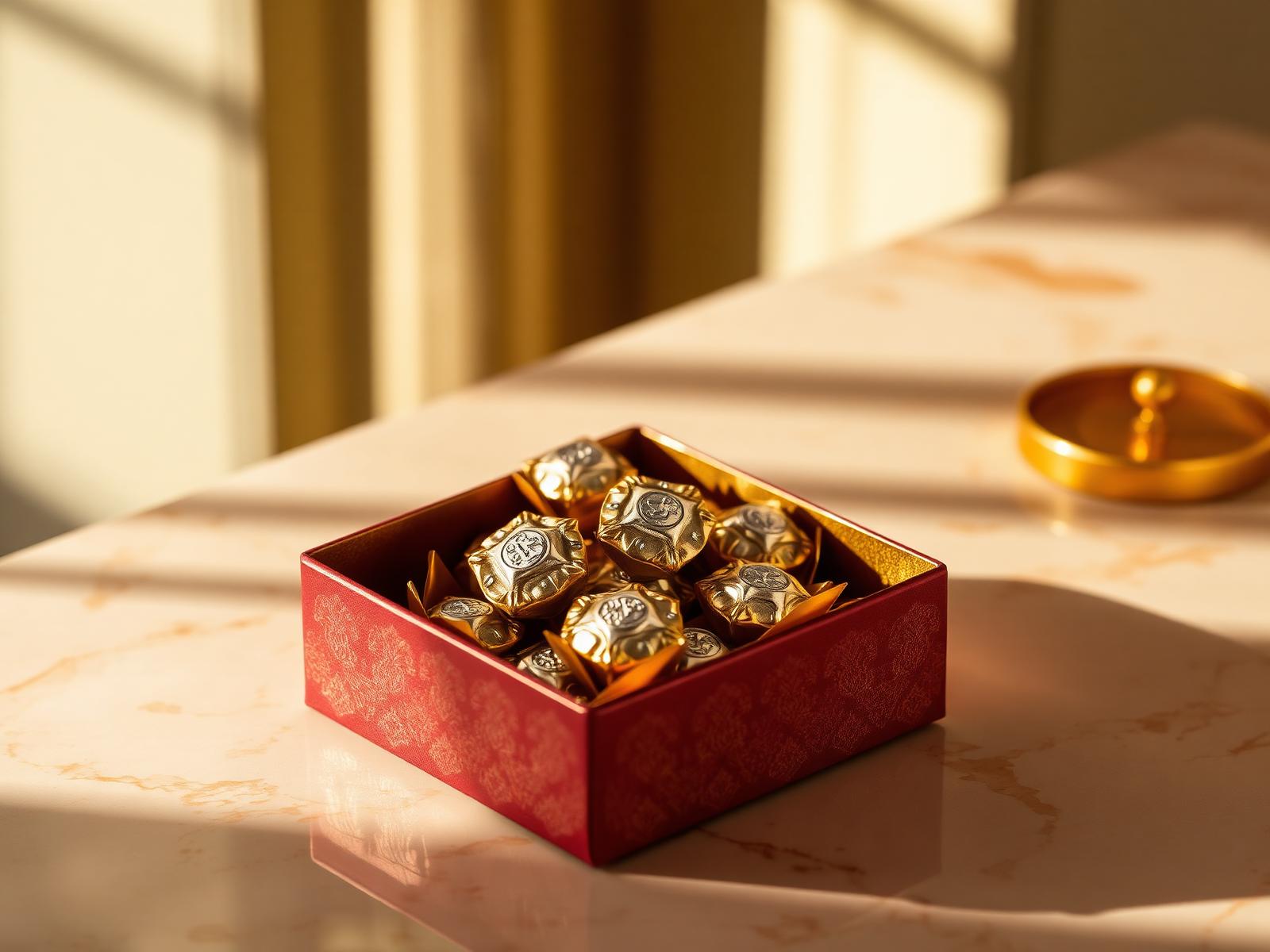
Because so much Gujarati mithai is ghee-based and roasted rather than syrup-soaked, it tends to hold up beautifully during delivery and travel — mohanthal and besan-based sweets in particular keep their texture for days without refrigeration being critical. That makes them an excellent choice for gifting outside your own city, or for corporate boxes that need to survive a courier journey intact.
Maharaja House is built around exactly this tradition — Gujarat-based, Gujarat-delivered, with mithai made fresh to the standards this region is known for.