Mithai Guide · 6 min read
The Complete Guide to Indian Mithai: History, Types, and How to Choose
From syrup-soaked classics to dense milk-based barfis, Indian mithai is one of the richest sweet traditions in the world. Here's how to navigate it.
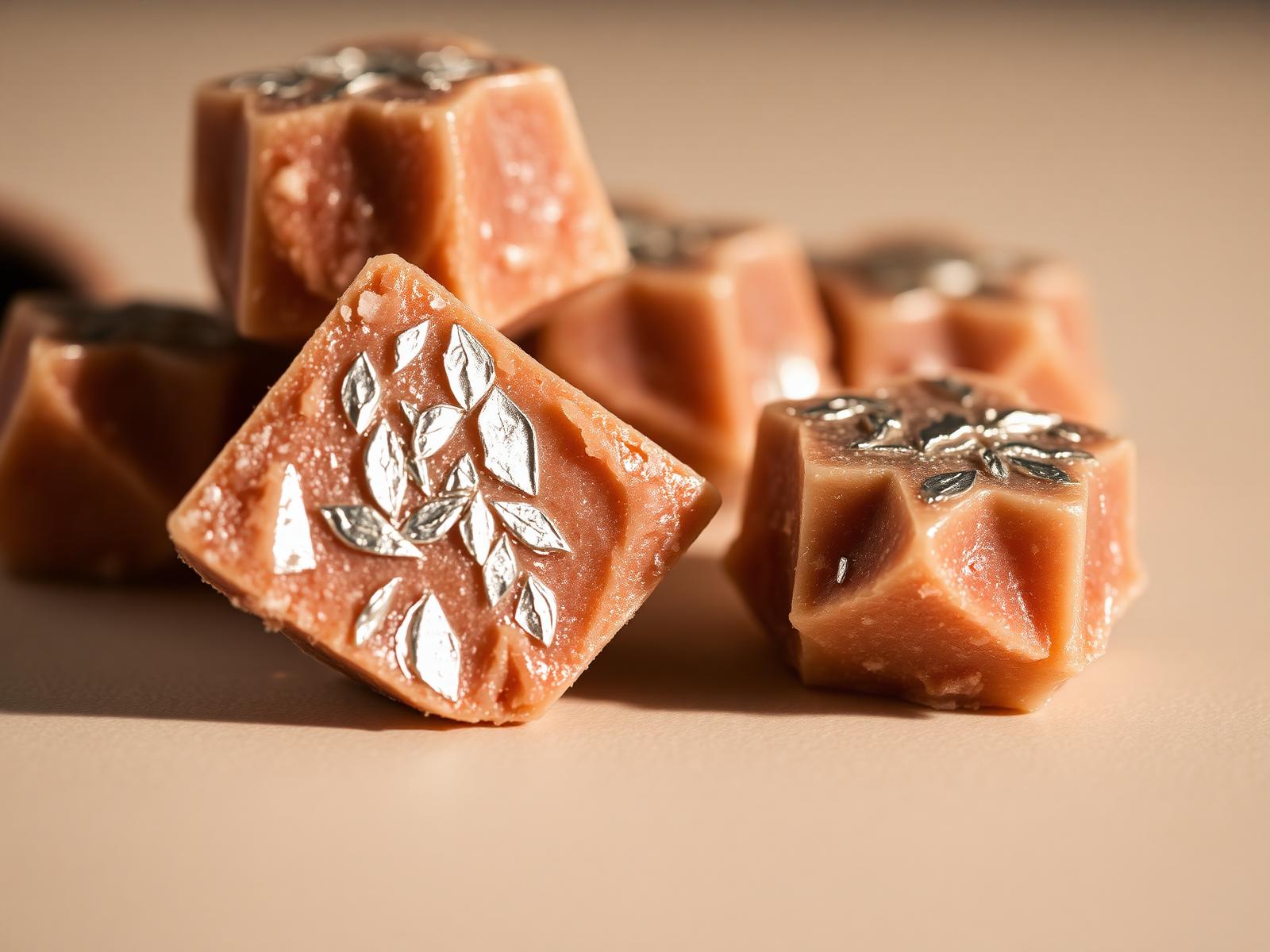
Indian mithai isn't one thing — it's an entire vocabulary of sweetness built from milk, lentils, nuts, sugar syrup, and ghee, shaped by region, festival, and family recipe. Walk into any Indian sweet shop and you'll find dozens of varieties, each with its own texture, technique, and occasion. If you're new to mithai, or simply want to buy with more confidence, this guide breaks down the major families and what makes each one distinct.
The main families of Indian mithai
Most mithai falls into a few broad categories. Khoya and milk-based sweets — like barfi and peda — are dense, fudge-like, and often the base for festive gifting. Besan and gram-flour sweets, such as mohanthal and besan ladoo, are slow-roasted for a nutty, grainy richness. Boondi-based sweets, like the iconic motichoor ladoo, are made from tiny fried batter pearls bound in syrup. And nut-based mithai — kaju katli being the most famous — turns cashews, pistachios, or almonds into a smooth, sliceable fudge.
Then there are the syrup-soaked sweets — gulab jamun, rasgulla, jalebi — which trade density for that signature juicy bite. Each family has its own ideal serving moment: some are built for immediate eating, others for gifting boxes that travel well and look beautiful when opened.
What actually separates good mithai from great mithai
- Ingredient quality — real cashews and pure ghee versus vanaspati and fillers.
- Freshness — mithai made in small batches close to your delivery date, not mass-produced weeks in advance.
- Texture control — a kaju katli that's smooth and pliable, not grainy or dry; a ladoo that holds its shape but melts easily.
- Sugar balance — sweetness that supports the core flavour instead of overwhelming it.
- Presentation — how the mithai is packaged matters as much as how it tastes when it's meant for gifting.
How to choose mithai as a first-time buyer
If you're ordering premium mithai online for the first time, start with something universally loved and easy to gift — kaju katli is the safest, most celebrated choice across regions and generations. From there, branch into motichoor ladoo for festive warmth, or mohanthal if you want something distinctly Gujarati and a little more textured. Buying a small mixed box first is a good way to find your favourite before committing to a large gifting order.
At Maharaja House, every mithai is made fresh to order and delivered straight to your door across Gujarat, with no physical shop overhead cutting into ingredient quality. Whether you're discovering Indian mithai for the first time or restocking a family favourite, our full range is a good place to start.